
Ecosystem and Mitigation Banking
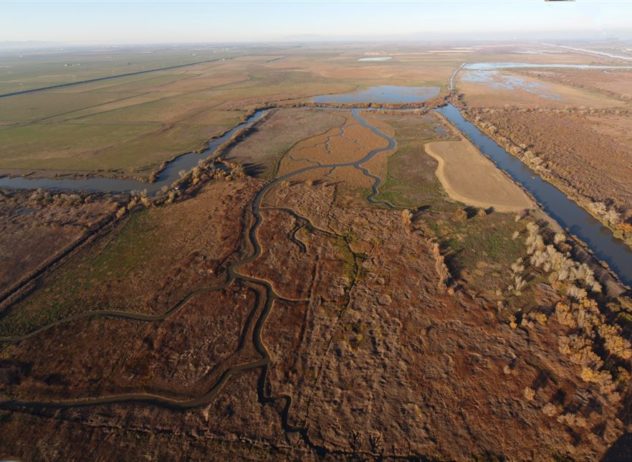
Mitigation banks are large agency-approved properties where wetlands are restored and preserved to provide mitigation for wetland impacts in surrounding areas. Conservation banks for endangered species are wildlife areas that are preserved, managed, and in some cases, restored to protect specific at-risk species.
Wildlands' mitigation and conservation banks have several ecological and economic benefits over traditional methods of mitigation, such as on-site mitigation.
Economic benefits to the client include expedited permitting time and economy of scale. Most importantly, Wildlands assumes responsibility for ecological success of the mitigation, providing the client with severance of liability.
Ecological benefits include large preserve size, mitigation before impact, and WildlandsO resources and expertise. Mitigation banks are also held to high habitat performance and success standards.
West Coast Region
Wildlands is a pioneer of mitigation and conservation banking, establishing the first wetlands mitigation bank west of the Mississippi; the first fisheries mitigation bank for the protection of Chinook salmon, steelhead, and Delta smelt; and the first conservation banks for vernal pool species, red-legged frog, elderberry beetle, and giant garter snake, respectively.
Currently our west coast region provides compensatory mitigation for jurisdictional and non-jurisdictional wetlands plus many endangered/special status species including vernal pool invertebrates, California tiger salamander, giant garter snake, San Joaquin kit fox, valley elderberry longhorn beetle, western burrowing owl, Swainson's hawk, delta smelt, chinook salmon, and steelhead.
Pacific Northwest Region
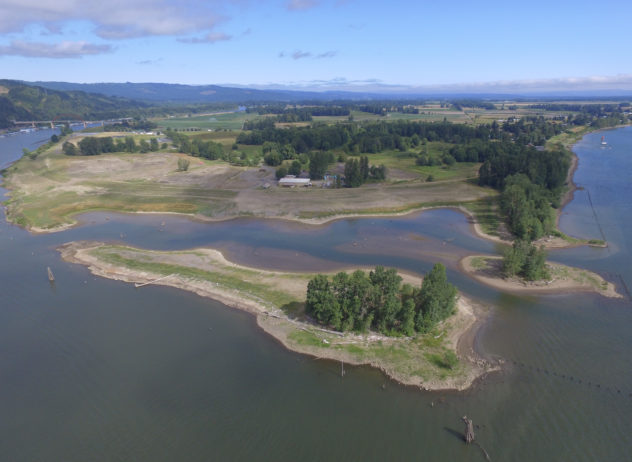
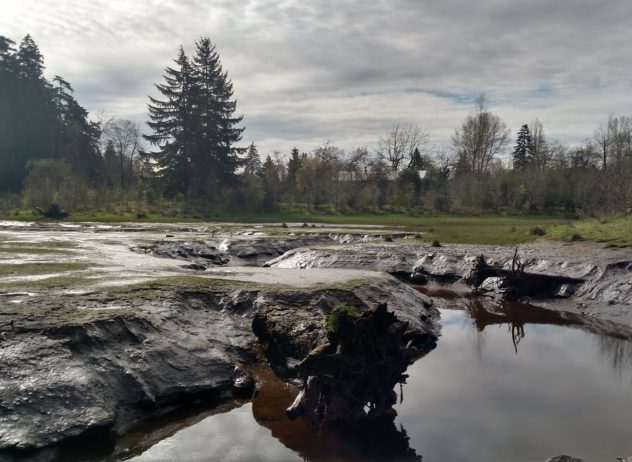
Wildlands' pacific northwest region's banks and preserves provide mitigation for jurisdictional wetlands and endangered species habitat for salmonid species. These include Blue Heron Slough Conservation Bank, the first ever conservation bank for salmon in the Pacific Northwest. Situated on Puget Sound in Everett, Washington, the bank will increase the carrying capacity of the Snohomish River Estuary for juvenile Chinook salmon by 20 percent.
Southeast Region
Wildlands currently manages a diverse portfolio of wetland and stream mitigation banks throughout the southeast. This includes two single user banks and ten commercial mitigation banks that offer both wetland and stream credits as compensatory mitigation. Wildlands capitalizes on a unique ability to build mitigation banks from the ground up, including initial feasibility assessments and conceptual planning, collection and interpretation of baseline data, wetland and stream restoration design, permitting, entitlement, legal assistance, construction management, annual compliance monitoring, land management, and long-term stewardship. Additionally, Wildlands has the expertise and capabilities to manage all aspects of credit sales and marketing, essentially providing full service banking capabilities to its banking clients.
While we are dedicated to providing full service mitigation bank development and management services to our clients, Wildlands is also pursuing in-house mitigation banking opportunities in selective watersheds across the southeast. Our ability to work with landowners, partner with other stakeholders, and provide necessary capital to successfully develop projects creates unique opportunities that match our goals and initiatives for mitigation banking across the region.
Note: Wildlands is constantly developing new banks and adding mitigation banking credit inventory, so please call for more information.